AI Leader-Follower Swarm Guidance: How Autonomous FPV Strike Platforms Defeat Dense EW
Reports emerging in early September 2026 confirm frontline deployment of "Leader-Follower" neural network guidance—allowing a single operator to coordinate multi-drone strikes that execute optical terminal homing when RF telemetry is jammed.
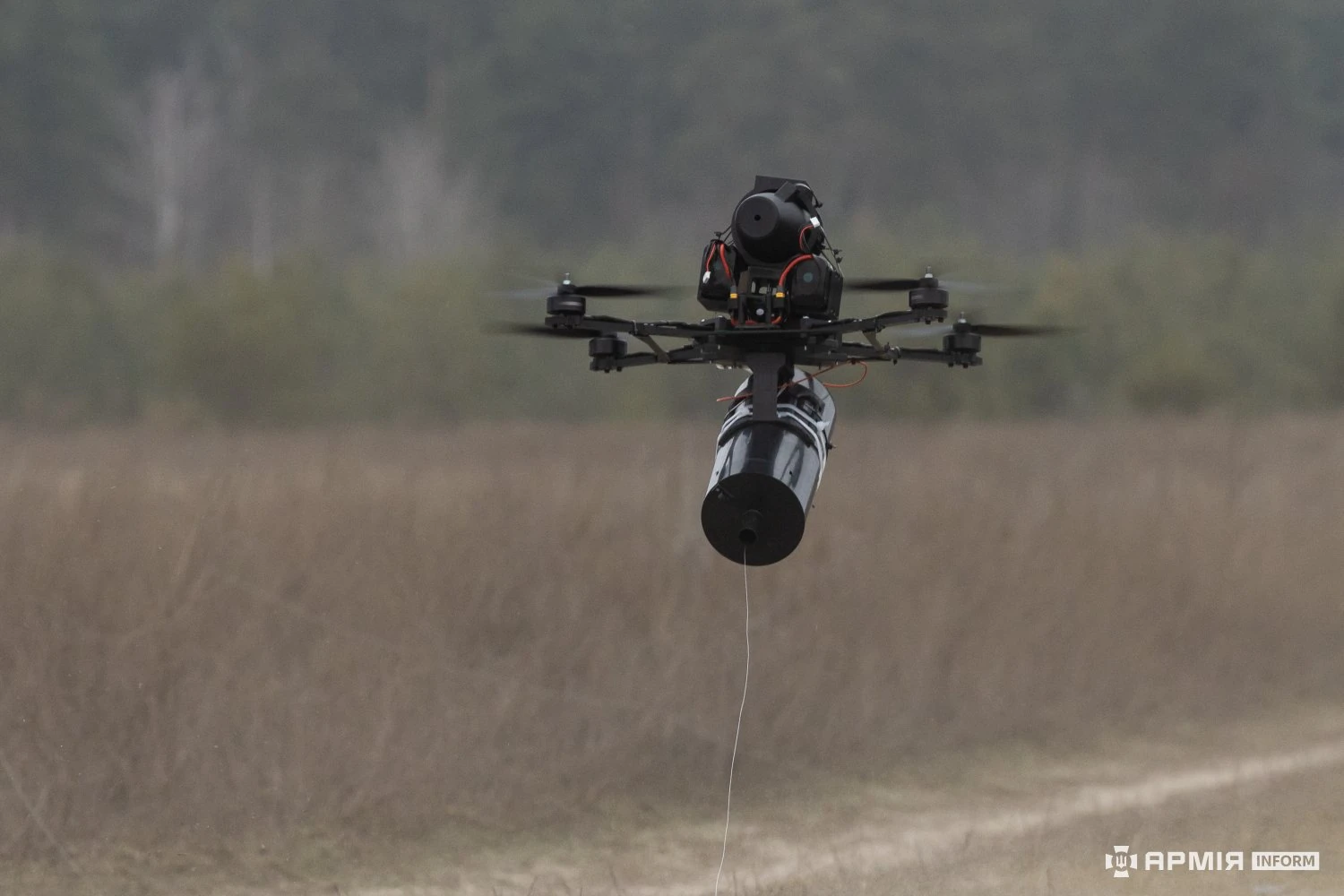
- The Leader-Follower Architecture: A single human pilot flies the primary "Leader" drone to identify targets. Trailing "Follower" quads autonomously maintain formation via micro-UWB ranging and visual odometry.
- Optical Terminal Lock: In the final 300 meters—where 50kW umbrella jammers obliterate 915MHz and 2.4GHz control links—onboard Kendryte and Rockchip NPUs lock onto pixel contrasts to autonomously guide the terminal dive.
- Counter-Drone Evolution: DroneShield and European defense contractors deployed emergency RF detection firmware updates in late August to classify evasive FPV swarm maneuvers.
The electronic battlefield of late summer 2026 has rendered single-frequency manual radio control increasingly perilous. With mobile 50kW radio jammers flooding entire sectors with white noise across 433MHz to 5.8GHz, unmanned aviation teams have shifted rapidly toward distributed edge autonomy.
The breakthrough technique, confirmed in defense intelligence analyses throughout late August and early September 2026, relies on Leader-Follower swarm coordination. Instead of requiring three separate pilots and three distinct RF channels, a single seasoned pilot commands the lead aircraft while sub-scale follower quads trail in acoustic and visual synchronization.
“When electronic warfare takes down the pilot's video goggles 200 meters out, the quad does not fail-safe to earth. The neural vision chip locks onto the target's thermal silhouette and completes the kinetic run autonomously.”
By coupling low-cost 60 FPS monochrome cameras directly to sub-\$20 neural processing units running stripped-down YOLOv10 object detection weights, these strike platforms achieve sub-meter terminal accuracy with zero active RF emissions during the strike phase.