Beyond 650 km/h: Aerodynamics & Broadcast Telemetry of Ultra-High-Speed FPV Chase Platforms
As experimental quadcopters shatter the 650 km/h boundary, broadcast cinematographers adapt Formula 1 wind-tunnel fairings and sub-millisecond RF links to capture hypercar acceleration runs.
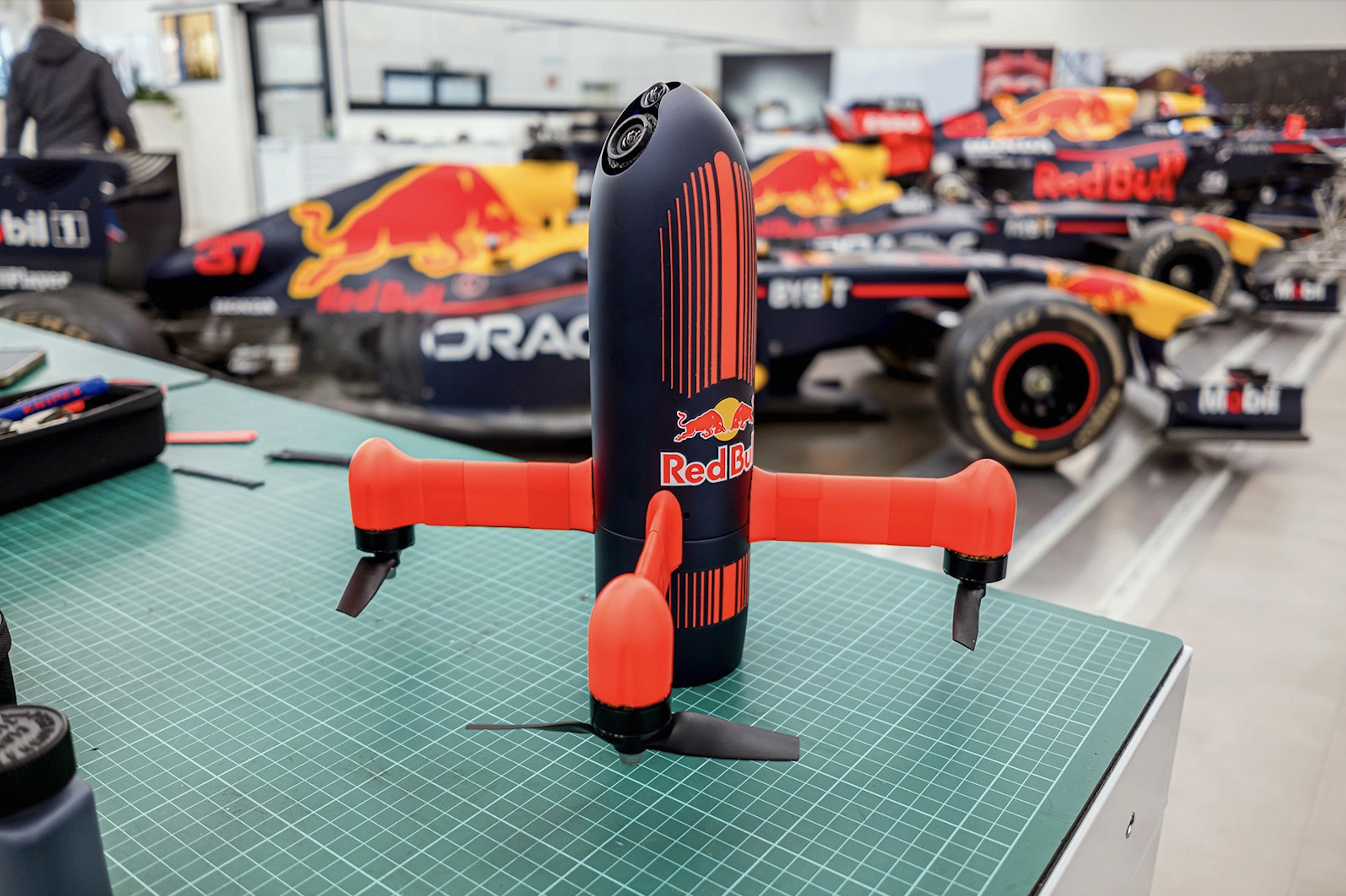
- The 600+ km/h Barrier: Standard quad frames suffer destructive drag at high velocity. Continuous 3D teardrop monocoque shells reduce drag coefficients down to 0.18 Cd.
- Propulsion Demands: Custom stator windings spinning high-pitch carbon-reinforced propellers at over 45,000 RPM on 12S LiHV, drawing 240A burst currents.
- Live Low-Latency Broadcast: Uncompressed digital video feeds routed through dual patch antennas ensure directors receive zero frame stutter at Mach 0.5 proximity.
When prototype hypercars accelerate from zero to 300 km/h in under six seconds, traditional trackside camera cranes and helicopter rigs cannot match their dynamic trajectory.
At speeds exceeding 300 km/h, turbulent drag squares exponentially. High-velocity cine quads utilize continuous carbon-fiber monocoque fuselages tested in wind tunnels that direct cooling ram-air across electronic speed controllers while maintaining laminar airflow over the fuselage.
“When chasing at 300-plus kilometers per hour, you have inches between the car wing and the camera gimbal. Sub-millisecond control response is mandatory.”
Summer Stadium Circuits: Surviving Pyro Blasts & Stage Lasers
Piloting Kevlar-shielded ducted micro-cinewhoops through 20-meter pyrotechnic flame blasts to capture the biggest European summer festivals.