Concrete Bando Survivors: Why 6mm Toray T700 Carbon is Mandatory
Destructive impact testing in abandoned industrial complexes reveals why cheap recycled 3K carbon delaminates on impact—and how quasi-isotropic Toray T700 carbon weaves withstand 100 km/h concrete strikes.
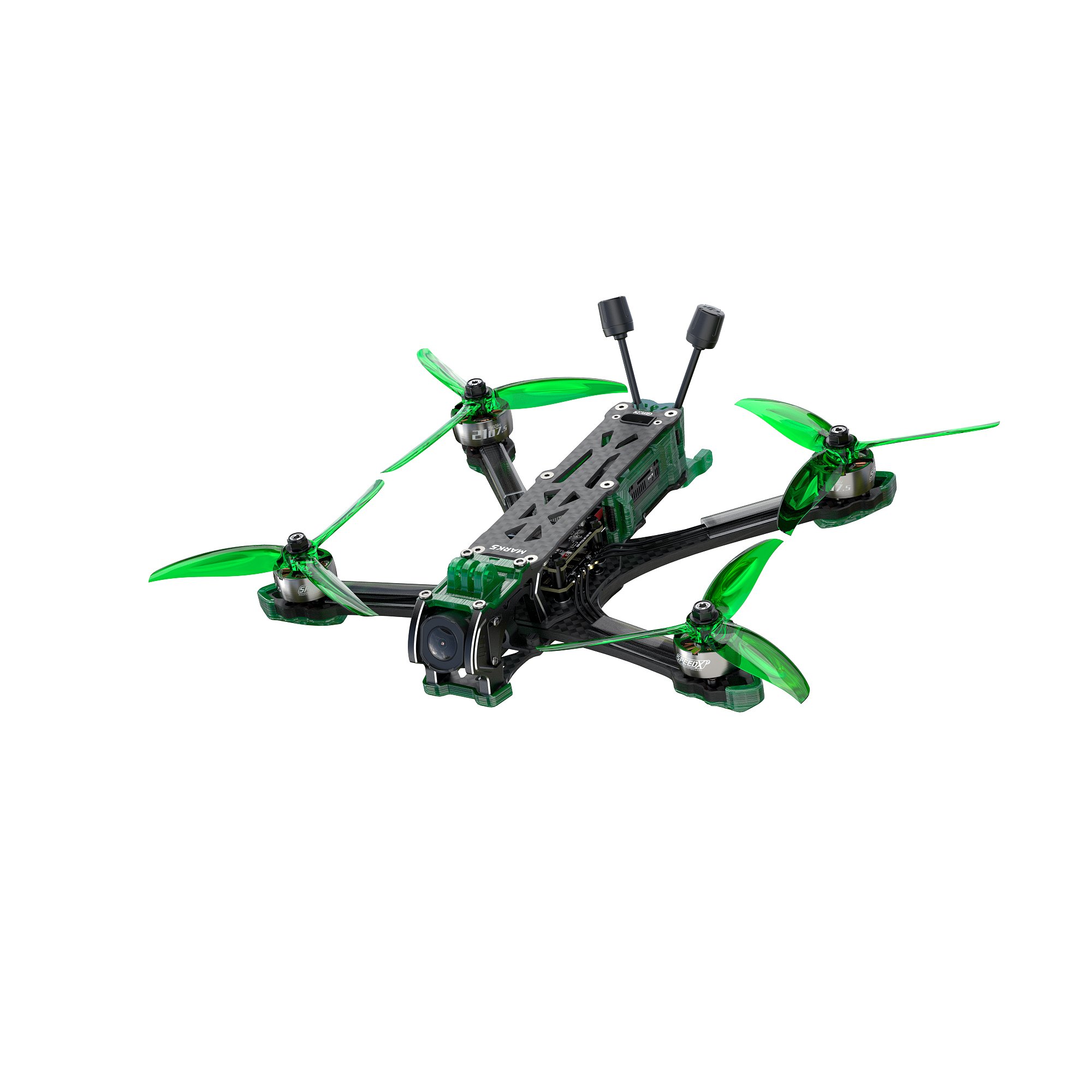
- The Delamination Hazard: Budget carbon frames cut costs with filler epoxy and recycled chopped fibers that shear apart across ply boundaries during direct pillar impacts.
- Toray T700 Continuous Weaves: High-grade virgin carbon delivers 4900 MPa tensile strength, absorbing violent deceleration without catastrophic fracturing.
- Chamfered Arm Edges: CNC edge-chamfering eliminates micro-notches where stress concentrations initiate micro-cracks under torsional motor vibration.
BERLIN & DETROIT (5 September 2026) — In the subculture of urban freestyle, abandoned cement factories, crumbling hospital wards, and decommissioned missile silos—collectively termed "bandos"—are the ultimate proving grounds for first-person view airframes. Navigating narrow steel doorways at 80 km/h leaves precisely zero margin for pilot hesitation.
When a 750-gram 6S miniquad strikes reinforced rebar-concrete at high speed, the kinetic force translates into hundreds of Gs of instantaneous deceleration. High-speed camera analysis demonstrates that cheap carbon plates split along layer boundaries within 2 milliseconds of impact.
“In a concrete bando, your quad is either built with certified Toray T700 carbon, or you are bringing a dustpan to sweep up shattered arms.”
By employing quasi-isotropic 0/90/45/-45 degree multi-axial layups, modern boutique frame designers ensure that impact loads propagate evenly through the entire fuselage, saving expensive electronics and brushless motors from catastrophic shock loads.