The Digital HD Reckoning: DJI O4, Walksnail Moonlight & HDZero Battle for RF Dominance
With 10-bit cinema color, sub-20ms glass-to-glass latency, and uncompressed broadcast links, the battle between proprietary monoliths and open-source video transmission reaches a historic boiling point.
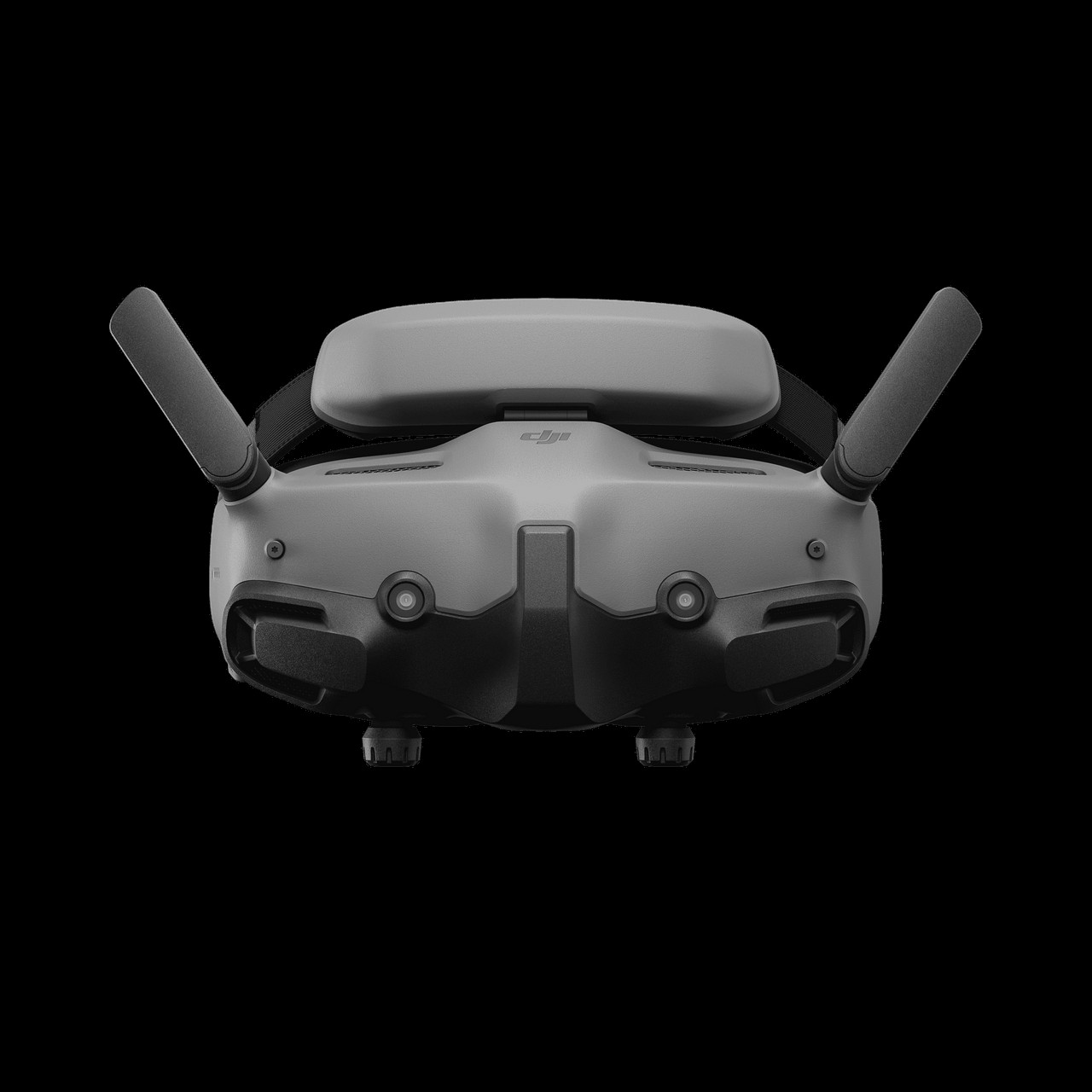
- DJI O4 Ecosystem: Introduces automated 2.4/5.8GHz frequency hopping, reaching 15km line-of-sight range with 1080p 100fps video, but retains strict proprietary geofencing.
- Walksnail Moonlight 4K: Features a dual-board Sony Starvis low-light sensor with built-in 4K gyro-stabilized recording, ending the need to carry secondary action cameras.
- HDZero Zero-Latency: Carl Zhou's open FPGA platform guarantees fixed 14ms latency with zero frame-buffer drops, remaining the premier choice for MultiGP racing heats.
SHENZHEN & LONDON (10 September 2026) — The era of compromise in first-person view aviation has officially expired. Over the past month, the drone industry has migrated decisively from snowy 5.8GHz analog composite video into an unforgiving digital high-definition battleground. The modern competition is no longer fought on motor thrust alone; the real front line is decided inside RF silicon, baseband transceivers, and FPGA encoding buffers.
Leading the digital offensive, DJI's latest O4 transmission system sets an extraordinary benchmark for image fidelity. Paired with Goggles 3 and an internal omnidirectional array, the system achieves a verified range envelope exceeding 15 kilometers under favorable RF conditions. The dynamic channel-switching algorithm operates across both 2.4GHz and 5.8GHz bands simultaneously, ensuring unprecedented penetration through urban concrete and heavy deciduous foliage.
“In competitive freestyle and high-speed proximity flight, image resolution means nothing if variable packet delay causes a concrete pillar to render 15 milliseconds too late.”
Yet, the closed-source nature of DJI's firmware continues to draw stern critique from commercial pilots and racers who reject geofencing and demand open UART access. This philosophical rift has opened massive commercial space for competitors.
Challenging this dominance is Caddx Walksnail’s dual-board Moonlight 4K platform, which has become the favorite among sunset, dusk, and nighttime freestyle pilots. Utilizing dual-exposure starlight sensors, it allows 3.5-inch and 5-inch quads to record 4K 60fps cinema footage without the crushing weight penalty of carrying a discrete 120-gram action camera.
Meanwhile, for pure racing enthusiasts, HDZero remains untouchable. By utilizing uncompressed video streams broadcast over an FPGA architecture with zero packet retries, pilots experience pure analog-like degradation: static rather than freezing frames, maintaining consistent 14ms latency regardless of multipathing.