The Open-Source Avionics Renaissance: How EdgeTX, Betaflight 4.5 & ExpressLRS Crushed Proprietary RC
From dynamic cloud compilation to sub-millisecond 1000Hz packet links, volunteer-driven open-source codebases have decisively overtaken legacy commercial radio corporations.
- Betaflight 2026 Release: Replaces monolithic pre-compiled binaries with server-side dynamic compilation, stripping unused code to fit within STM32 flash constraints.
- ExpressLRS Gemini-X: Transmits synchronized control packets concurrently over both 2.4GHz and 900MHz spectrums, creating link redundancy immune to Wi-Fi saturation.
- EdgeTX Operating System: Delivers hardware-accelerated touch widgets, instant Lua script execution, and seamless multi-model cloud backups.
- The AM32 Open Standard: Succeeds as the undisputed community 32-bit ESC firmware, bringing sinusoidal motor startup and variable PWM frequencies.
STOCKHOLM (8 September 2026) — A decade ago, radio control aviation was trapped in the clutches of legacy proprietary manufacturers. Transmitters were locked down, updates cost hundreds of dollars, and radio links stuttered along at an archaic 50Hz with 30 milliseconds of latency. Today, that monolithic empire has crumbled. A distributed open-source ecosystem has brought aerospace-grade avionics to every workbench on earth.
The ExpressLRS protocol has led this disruption. Operating on Semtech SX1280 and SX1276 LoRa transceivers, ELRS achieves true 1000Hz packet rates with packet latency below 0.8 milliseconds. In its latest Gemini release, transmitter modules transmit redundant telemetry packets simultaneously on distinct frequencies, preventing lockouts in congested urban drone racing arenas.
“We don't just flash firmware anymore. We are orchestrating an open-source flight stack that communicates over CRSF, compiles in the cloud, and executes 8kHz PID loops with zero jitter.”
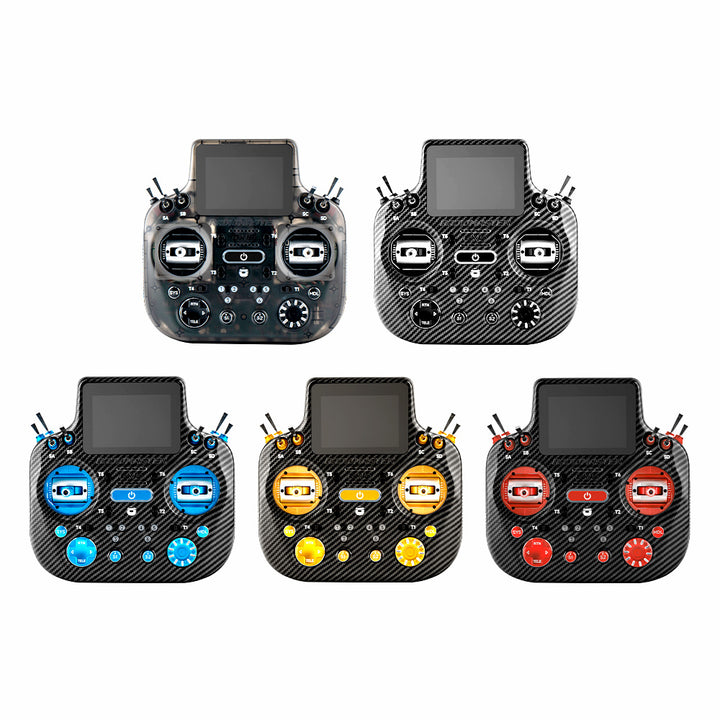
On the radio handset side, EdgeTX has thoroughly supplanted outdated firmware, offering intuitive touchscreen navigation, full Lua scripting engine for real-time VTX and PID tuning in the field, and community-driven protocol support.